Upcoming Workshops
The Art of Jogak ;조각 Small Pieces
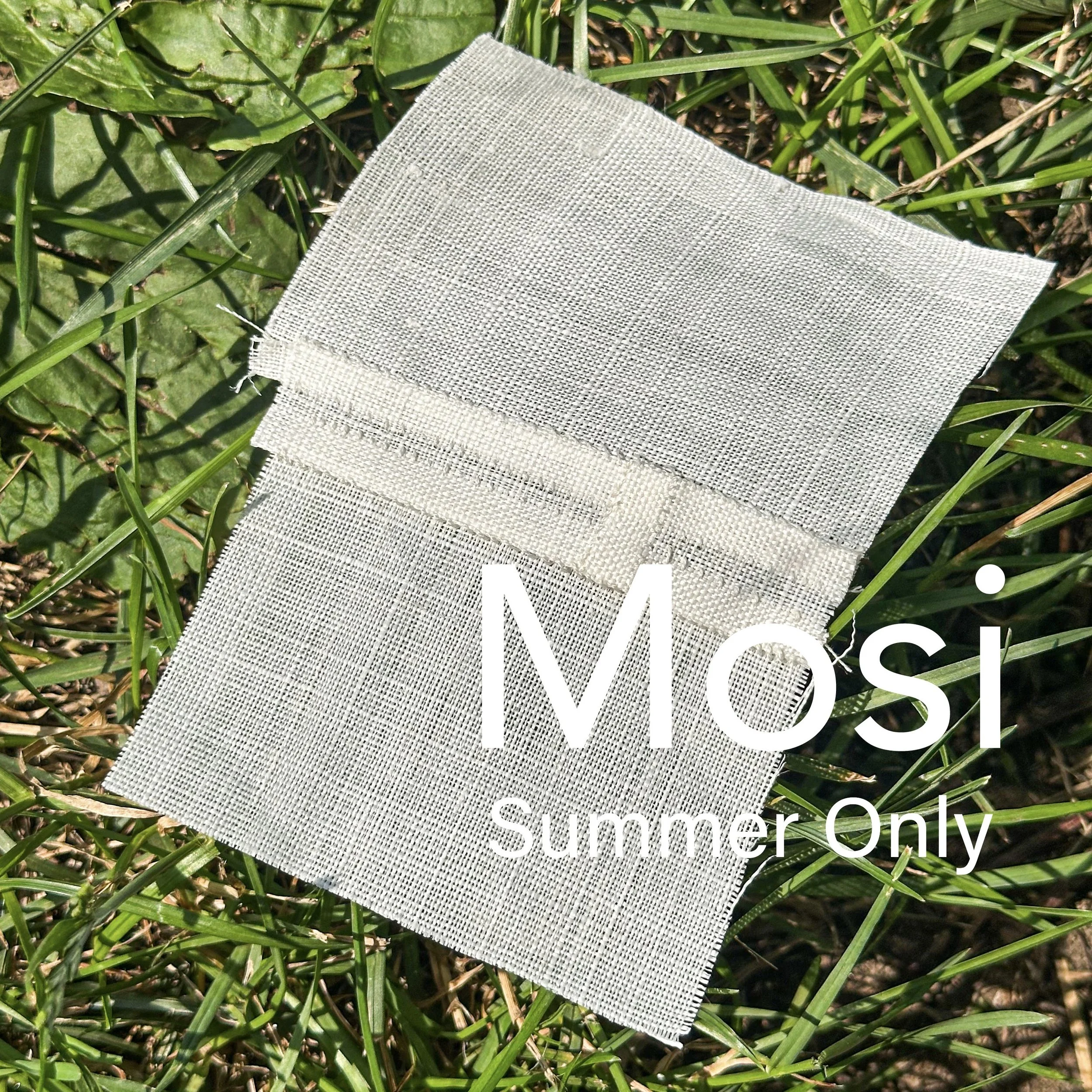
This seasonal summer workshop focuses on MOSI, traditional Korean ramie fabric. Mosi is lightweight, breathable, cool to the touch, and beautifully translucent. Because it is crisp and delicate, it can become brittle in dry or cold weather, while summer humidity makes it softer and easier to cut, crease, and stitch. For this reason, summer has traditionally been considered the season for mosi sewing.
Participants will use white mosi fabric and white or vivid primary-colored cotton threads to create a small mosi jogakbo-inspired object, such as a bookmark, tea coaster, cocktail napkin, or window-hanging piece. They will learn the traditional ssamsol seam technique, folding and interlocking the seam allowances and securing them with hand whip stitches to create a single-layer patchwork cloth.
Jogak-bo (also called Bojagi) is a traditional Korean textile art form where pieces of fabric are hand-stitched into beautiful, functional wrapping cloths. Traditionally used to wrap or gift items with heartfelt wishes for the recipient’s happiness and well-being, Bojagi carries deep meaning.
But it’s more than just sewing—Bojagi is a sustainable, meditative practice that values slowness, care, and the beauty of reuse. In our fast-paced and overstimulated world, I believe keeping such traditions alive is more important than ever.
I would like to introduce how these hand-sewing techniques can be a foundation for creating both traditional Gyubangcrafts and contemporary textile work. These classes start with simple patchwork, but from there, participants can keep working on their Jogakbo or Bo-inspired projects, bridging the past and present through thread and fabric.
The Art of Jogak ;조각 Small Pieces
This seasonal summer workshop focuses on MOSI, traditional Korean ramie fabric. Mosi is lightweight, breathable, cool to the touch, and beautifully translucent. Because it is crisp and delicate, it can become brittle in dry or cold weather, while summer humidity makes it softer and easier to cut, crease, and stitch. For this reason, summer has traditionally been considered the season for mosi sewing.
Participants will use white mosi fabric and white or vivid primary-colored cotton threads to create a small mosi jogakbo-inspired object, such as a bookmark, tea coaster, cocktail napkin, or window-hanging piece. They will learn the traditional ssamsol seam technique, folding and interlocking the seam allowances and securing them with hand whip stitches to create a single-layer patchwork cloth.
Jogak-bo (also called Bojagi) is a traditional Korean textile art form where pieces of fabric are hand-stitched into beautiful, functional wrapping cloths. Traditionally used to wrap or gift items with heartfelt wishes for the recipient’s happiness and well-being, Bojagi carries deep meaning.
But it’s more than just sewing—Bojagi is a sustainable, meditative practice that values slowness, care, and the beauty of reuse. In our fast-paced and overstimulated world, I believe keeping such traditions alive is more important than ever.
I would like to introduce how these hand-sewing techniques can be a foundation for creating both traditional Gyubangcrafts and contemporary textile work. These classes start with simple patchwork, but from there, participants can keep working on their Jogakbo or Bo-inspired projects, bridging the past and present through thread and fabric.
What’s provided:
Korean silk organza (Oksa, Nobang, Gapsa etc)
Silk Thread
Sewing materials (Needle, seam ruller, hera- seam marking tool, etc)
You’ll Leave With:
A small Jogakbo piece (bookmark, cocktail napkin, or small wall hanging)
An introduction to the sustainable spirit of Jogakbo and Gyubang textile traditions.
Gyubang hand-sewing techniques for future projects & creative inspiration
What to Expect
These small, hands-on workshops are designed to introduce the foundations of traditional Korean Jogakbo and Gyubang textile arts. The techniques you’ll learn are rooted in a craft that traditionally takes years of dedicated practice to master.
This is a skill-focused workshop with live demonstrations, step-by-step guidance, and individual instruction throughout the class. Because Jogakbo is a slow and mindful hand-sewing practice, you may not complete your project during the workshop. However, you will leave with the knowledge, techniques, and confidence to continue and finish your piece at home, and to begin creating your own future projects.
Refund Policy
I am an independent local artist, and every registration directly supports the cost of imported materials, studio preparation, and the time invested in each workshop. All ticket purchases are final and non-refundable. If you are unable to attend, you are welcome to transfer your registration to a friend. Please email me at [your email] so I can update the registration. If space is available, you may transfer your registration to another workshop of equal value by contacting me at least 72 hours before your scheduled class.
Photography & Video Notice
Photographs and short video clips may be taken during workshops for use on my website, social media, and other promotional materials. I make every effort to avoid capturing identifiable facial images or other personally identifying features whenever possible. However, by registering for this workshop, you acknowledge that photographs or video may be taken during the event. If you prefer not to appear in any promotional materials, please let me know before the workshop begins, and I will gladly accommodate your request.
Workshop Policy
Workshop materials, patterns, and instructional content are provided for personal use only. They may not be copied, reproduced, redistributed, or used to teach commercial workshops without prior written permission. Participants will receive a liability waiverby email before the workshop. The completed waiver must be submitted prior to the beginning of class. Please arrive on time to make the most of your workshop experience.
The Art of Jogak ;조각 Small Pieces
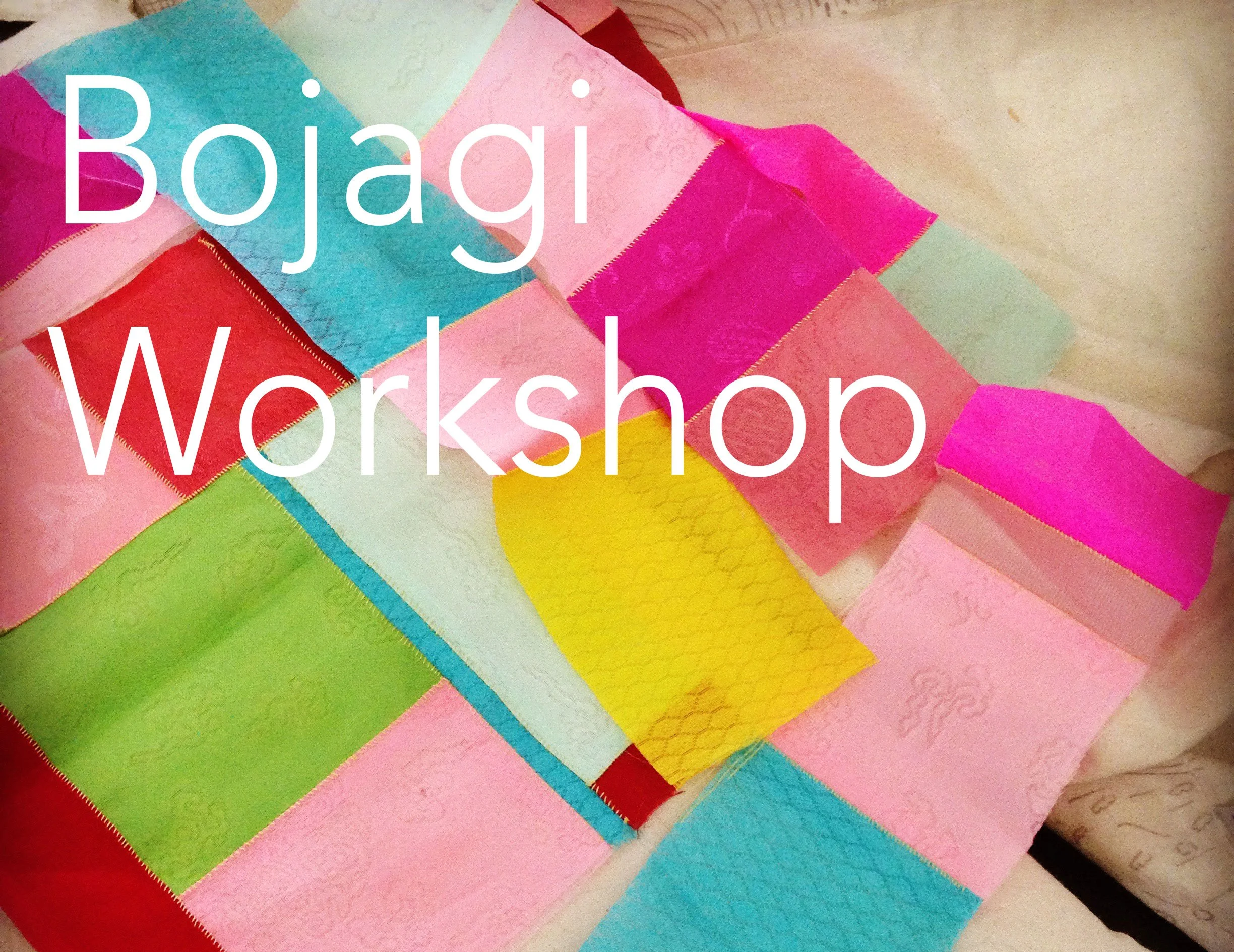
My work Sancuary is inspired by Jogak-bo (also called Bojagi)—a traditional Korean textile art form where pieces of fabric are hand-stitched into beautiful, functional wrapping cloths. Traditionally used to wrap or gift items with heartfelt wishes for the recipient’s happiness and well-being, Bojagi carries deep meaning.
But it’s more than just sewing—Bojagi is a sustainable, meditative practice that values slowness, care, and the beauty of reuse. In our fast-paced and overstimulated world, I believe keeping such traditions alive is more important than ever.
That’s why I’m offering workshops not only in patchworking and Jogakbo-making, but also in exploring how these hand-sewing techniques can be a foundation for creating both traditional Gyubangcrafts and contemporary textile work. These classes start with simple patchwork, but from there, participants can apply what they learn to make bags, wall pieces, accessories, and more—bridging the past and present through thread and fabric.
What’s provided:
Korean silk organza (Oksa, Nobang, Gapsa etc)
Silk Thread
Sewing materials (Needle, seam ruller, hera- seam marking tool, etc)
You’ll Leave With:
A small Jogakbo piece (bookmark, cocktail napkin, or small wall hanging)
An introduction to the sustainable spirit of Jogakbo and Gyubang textile traditions.
Gyubang hand-sewing techniques for future projects & creative inspiration
What to Expect
These small, hands-on workshops are designed to introduce the foundations of traditional Korean Jogakbo and Gyubang textile arts. The techniques you’ll learn are rooted in a craft that traditionally takes years of dedicated practice to master.
This is a skill-focused workshop with live demonstrations, step-by-step guidance, and individual instruction throughout the class. Because Jogakbo is a slow and mindful hand-sewing practice, you may not complete your project during the workshop. However, you will leave with the knowledge, techniques, and confidence to continue and finish your piece at home, and to begin creating your own future projects.
Refund Policy
I am an independent local artist, and every registration directly supports the cost of imported materials, studio preparation, and the time invested in each workshop. All ticket purchases are final and non-refundable. If you are unable to attend, you are welcome to transfer your registration to a friend. Please email me at [your email] so I can update the registration. If space is available, you may transfer your registration to another workshop of equal value by contacting me at least 72 hours before your scheduled class.
Photography & Video Notice
Photographs and short video clips may be taken during workshops for use on my website, social media, and other promotional materials. I make every effort to avoid capturing identifiable facial images or other personally identifying features whenever possible. However, by registering for this workshop, you acknowledge that photographs or video may be taken during the event. If you prefer not to appear in any promotional materials, please let me know before the workshop begins, and I will gladly accommodate your request.
Workshop Policy
Workshop materials, patterns, and instructional content are provided for personal use only. They may not be copied, reproduced, redistributed, or used to teach commercial workshops without prior written permission. Participants will receive a liability waiver by email before the workshop. The completed waiver must be submitted prior to the beginning of class. Please arrive on time to make the most of your workshop experience.
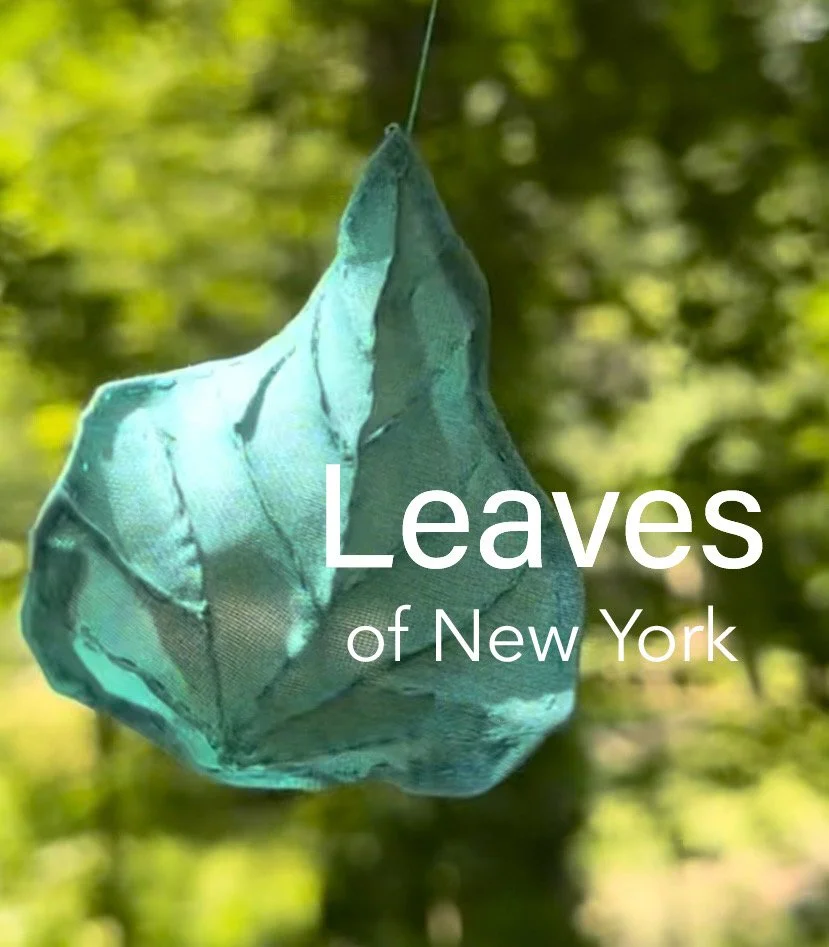
This workshop is inspired by Dapo (茶布), a traditional Korean textile used to cover or protect tea tables, teaware, and teacups. Among Gyubang crafts, the lotus leaf dapo is especially well known for its elegant leaf form, created through a traditional pinching technique that shapes the veins and carefully folded edges finished by hand.
Inspired by the diverse trees of Brooklyn’s Prospect Park, I developed the Leaves of New York series, reimagining this traditional craft through the forms of local leaves. Participants will create a handcrafted leaf ornament that evokes the ethereal beauty of translucent silk fluttering gently in the wind. Designed to catch sunlight, cast delicate, shifting shadows, and gently sway with the breeze, it captures the mesmerizing essence of hanbok, “clothes of the wind” bringing a quiet sense of movement and light into everyday space.
Beyond learning traditional Korean hand-sewing techniques, participants will discover the sustainable and mindful spirit of Gyubang textile traditions—where careful craftsmanship, respect for materials, and the beauty of slow making continue to inspire contemporary textile art.
What’s provided
Korean silk organza (Oksa, Nobang, Gapsa etc)
Silk Thread
Sewing materials (Needle, seam ruller, hera- seam marking tool, etc)
You’ll Leave With
Handcrafted “Leaves of New York” translucent silk ornaments to display as a window hanging, decorative object, tree ornaments or key charm.
An introduction to the sustainable spirit of Jogakbo and Gyubang textile traditions.
Gyubang hand-sewing techniques for future projects & creative inspiration
What to Expect
These small, hands-on workshops are designed to introduce the foundations of traditional Korean Jogakbo and Gyubang textile arts. The techniques you’ll learn are rooted in a craft that traditionally takes years of dedicated practice to master.
This is a skill-focused workshop with live demonstrations, step-by-step guidance, and individual instruction throughout the class. Because Dapo is a slow and mindful hand-sewing practice, you may not complete your project during the workshop. However, you will leave with the knowledge, techniques, and confidence to continue and finish your piece at home, and to begin creating your own future projects.
Refund Policy
I am an independent local artist, and every registration directly supports the cost of imported materials, studio preparation, and the time invested in each workshop. All ticket purchases are final and non-refundable. If you are unable to attend, you are welcome to transfer your registration to a friend. Please email me at [your email] so I can update the registration. If space is available, you may transfer your registration to another workshop of equal value by contacting me at least 72 hours before your scheduled class.
Photography & Video Notice
Photographs and short video clips may be taken during workshops for use on my website, social media, and other promotional materials. I make every effort to avoid capturing identifiable facial images or other personally identifying features whenever possible. However, by registering for this workshop, you acknowledge that photographs or video may be taken during the event. If you prefer not to appear in any promotional materials, please let me know before the workshop begins, and I will gladly accommodate your request.
Workshop Policy
Workshop materials, patterns, and instructional content are provided for personal use only. They may not be copied, reproduced, redistributed, or used to teach commercial workshops without prior written permission. Participants will receive a liability waiverby email before the workshop. The completed waiver must be submitted prior to the beginning of class. Please arrive on time to make the most of your workshop experience.
This workshop is inspired by Dapo (茶布), a traditional Korean textile used to cover or protect tea tables, teaware, and teacups. Among Gyubang crafts, the lotus leaf dapo is especially well known for its elegant leaf form, created through a traditional pinching technique that shapes the veins and carefully folded edges finished by hand.
Inspired by the diverse trees of Brooklyn’s Prospect Park, I developed the Leaves of New York series, reimagining this traditional craft through the forms of local leaves. Participants will create a handcrafted leaf ornament that evokes the ethereal beauty of translucent silk fluttering gently in the wind. Designed to catch sunlight, cast delicate, shifting shadows, and gently sway with the breeze, it captures the mesmerizing essence of hanbok, “clothes of the wind” bringing a quiet sense of movement and light into everyday space.
Beyond learning traditional Korean hand-sewing techniques, participants will discover the sustainable and mindful spirit of Gyubang textile traditions—where careful craftsmanship, respect for materials, and the beauty of slow making continue to inspire contemporary textile art.
What’s provided
Korean silk organza (Oksa, Nobang, Gapsa etc)
Silk Thread
Sewing materials (Needle, seam ruller, hera- seam marking tool, etc)
You’ll Leave With
Handcrafted “Leaves of New York” translucent silk ornaments to display as a window hanging, decorative object, tree ornaments or key charm.
An introduction to the sustainable spirit of Jogakbo and Gyubang textile traditions.
Gyubang hand-sewing techniques for future projects & creative inspiration
What to Expect
These small, hands-on workshops are designed to introduce the foundations of traditional Korean Jogakbo and Gyubang textile arts. The techniques you’ll learn are rooted in a craft that traditionally takes years of dedicated practice to master.
This is a skill-focused workshop with live demonstrations, step-by-step guidance, and individual instruction throughout the class. Because Dapo is a slow and mindful hand-sewing practice, you may not complete your project during the workshop. However, you will leave with the knowledge, techniques, and confidence to continue and finish your piece at home, and to begin creating your own future projects.
Refund Policy
I am an independent local artist, and every registration directly supports the cost of imported materials, studio preparation, and the time invested in each workshop. All ticket purchases are final and non-refundable. If you are unable to attend, you are welcome to transfer your registration to a friend. Please email me at [your email] so I can update the registration. If space is available, you may transfer your registration to another workshop of equal value by contacting me at least 72 hours before your scheduled class.
Photography & Video Notice
Photographs and short video clips may be taken during workshops for use on my website, social media, and other promotional materials. I make every effort to avoid capturing identifiable facial images or other personally identifying features whenever possible. However, by registering for this workshop, you acknowledge that photographs or video may be taken during the event. If you prefer not to appear in any promotional materials, please let me know before the workshop begins, and I will gladly accommodate your request.
Workshop Policy
Workshop materials, patterns, and instructional content are provided for personal use only. They may not be copied, reproduced, redistributed, or used to teach commercial workshops without prior written permission. Participants will receive a liability waiverby email before the workshop. The completed waiver must be submitted prior to the beginning of class. Please arrive on time to make the most of your workshop experience.