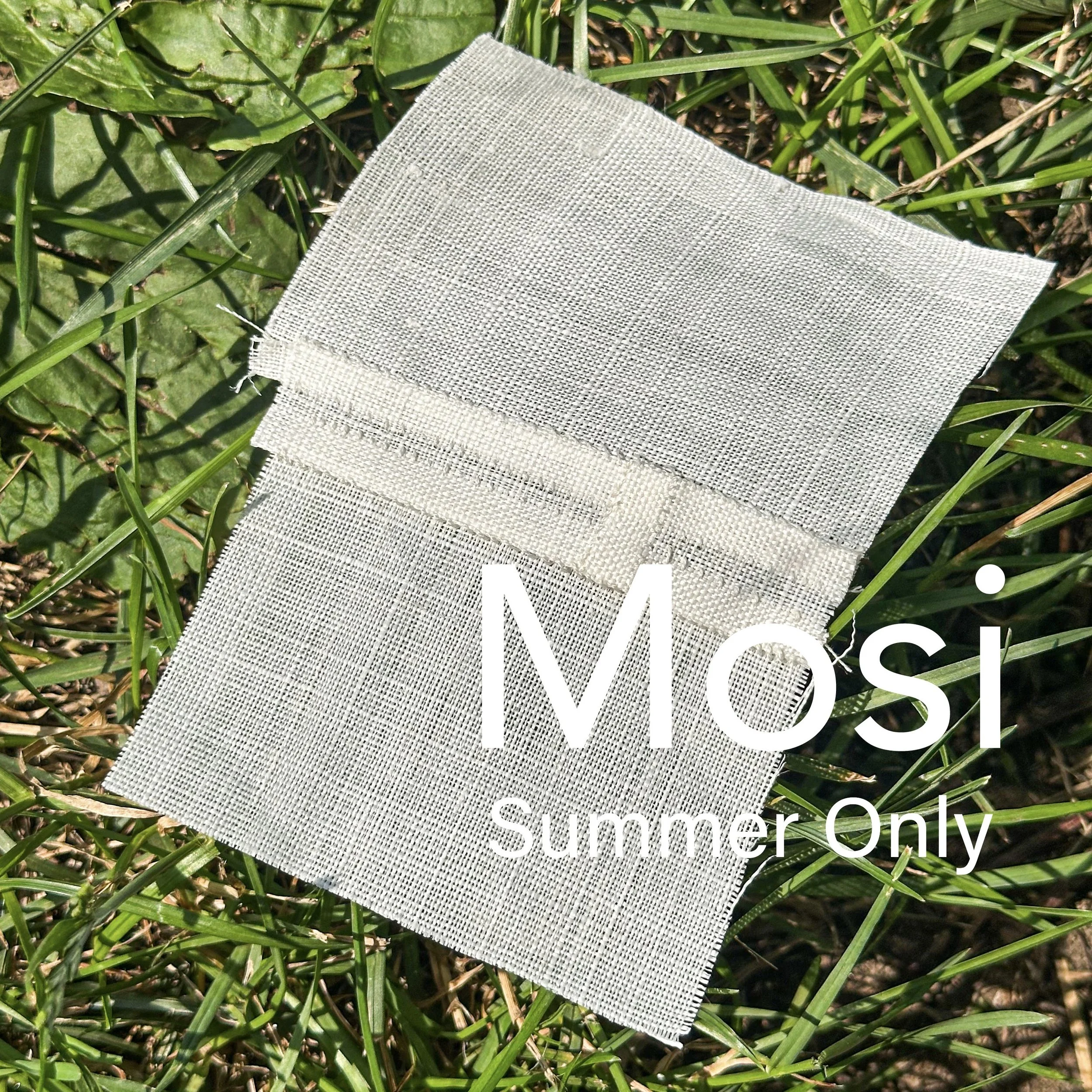

This seasonal summer workshop focuses on MOSI, traditional Korean ramie fabric. Mosi is lightweight, breathable, cool to the touch, and beautifully translucent. Because it is crisp and delicate, it can become brittle in dry or cold weather, while summer humidity makes it softer and easier to cut, crease, and stitch. For this reason, summer has traditionally been considered the season for mosi sewing.
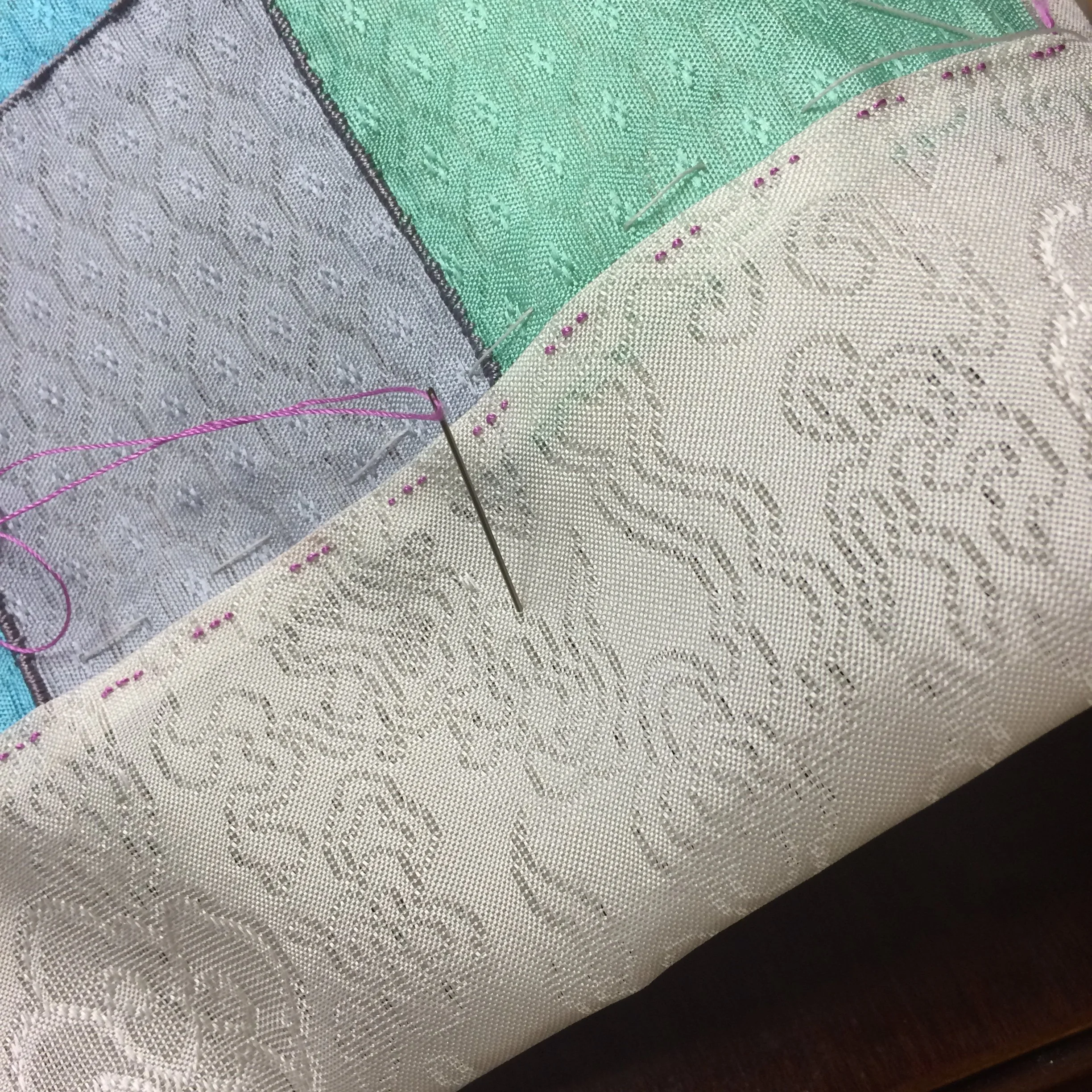
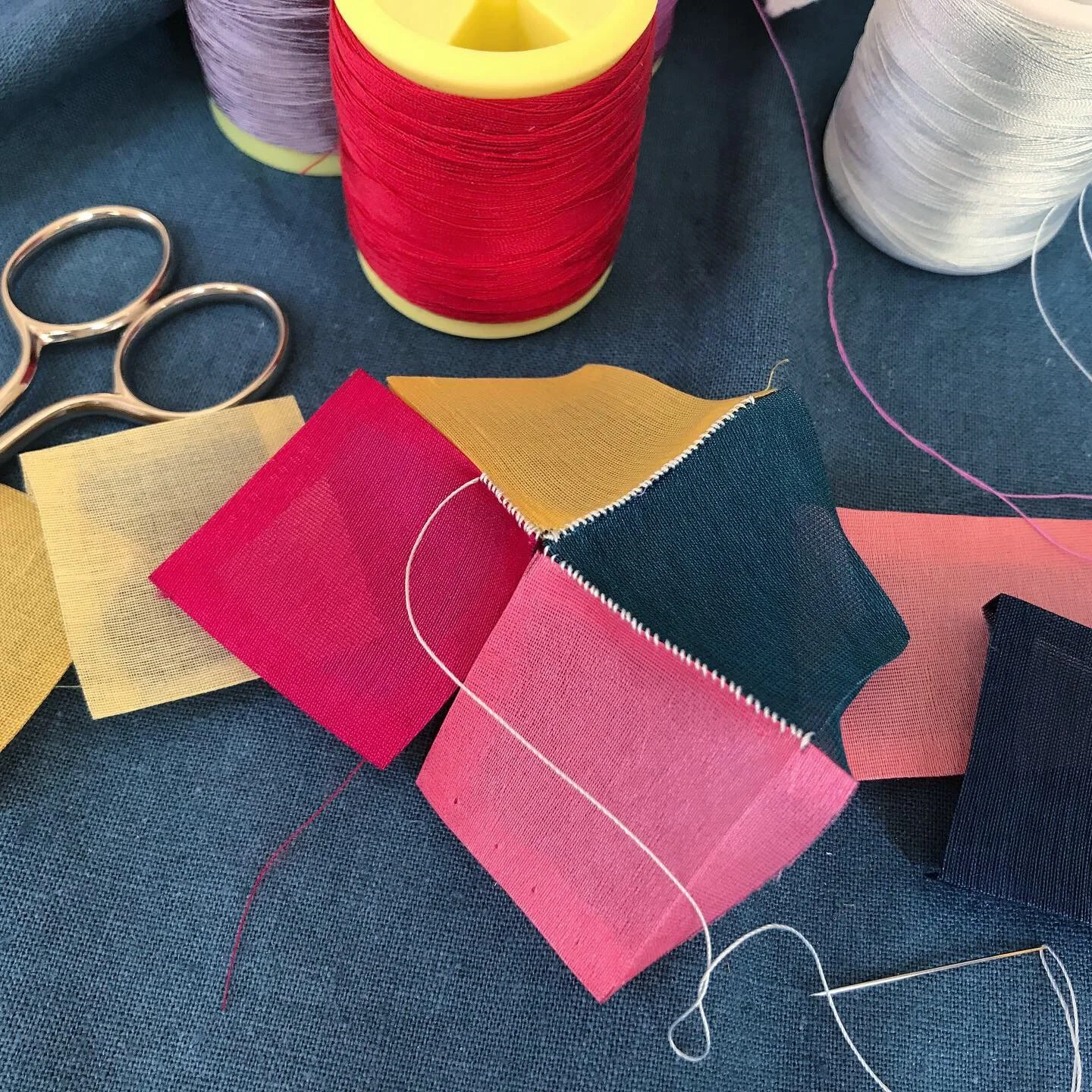
Participants will use white mosi fabric and white or vivid primary-colored cotton threads to create a small mosi jogakbo-inspired object, such as a bookmark, tea coaster, cocktail napkin, or window-hanging piece. They will learn the traditional ssamsol seam technique, folding and interlocking the seam allowances and securing them with hand whip stitches to create a single-layer patchwork cloth.
Jogak-bo (also called Bojagi) is a traditional Korean textile art form where pieces of fabric are hand-stitched into beautiful, functional wrapping cloths. Traditionally used to wrap or gift items with heartfelt wishes for the recipient’s happiness and well-being, Bojagi carries deep meaning.
But it’s more than just sewing—Bojagi is a sustainable, meditative practice that values slowness, care, and the beauty of reuse. In our fast-paced and overstimulated world, I believe keeping such traditions alive is more important than ever.
I would like to introduce how these hand-sewing techniques can be a foundation for creating both traditional Gyubangcrafts and contemporary textile work. These classes start with simple patchwork, but from there, participants can keep working on their Jogakbo or Bo-inspired projects, bridging the past and present through thread and fabric.
This seasonal summer workshop focuses on MOSI, traditional Korean ramie fabric. Mosi is lightweight, breathable, cool to the touch, and beautifully translucent. Because it is crisp and delicate, it can become brittle in dry or cold weather, while summer humidity makes it softer and easier to cut, crease, and stitch. For this reason, summer has traditionally been considered the season for mosi sewing.
Participants will use white mosi fabric and white or vivid primary-colored cotton threads to create a small mosi jogakbo-inspired object, such as a bookmark, tea coaster, cocktail napkin, or window-hanging piece. They will learn the traditional ssamsol seam technique, folding and interlocking the seam allowances and securing them with hand whip stitches to create a single-layer patchwork cloth.
Jogak-bo (also called Bojagi) is a traditional Korean textile art form where pieces of fabric are hand-stitched into beautiful, functional wrapping cloths. Traditionally used to wrap or gift items with heartfelt wishes for the recipient’s happiness and well-being, Bojagi carries deep meaning.
But it’s more than just sewing—Bojagi is a sustainable, meditative practice that values slowness, care, and the beauty of reuse. In our fast-paced and overstimulated world, I believe keeping such traditions alive is more important than ever.
I would like to introduce how these hand-sewing techniques can be a foundation for creating both traditional Gyubangcrafts and contemporary textile work. These classes start with simple patchwork, but from there, participants can keep working on their Jogakbo or Bo-inspired projects, bridging the past and present through thread and fabric.